Achieving long term career success requires continuous learning adaptability strong professional networks and consistent personal growth over time.

In today’s competitive and fast-changing world, professional skills and strong networks act as two essential pillars that shape sustainable career progress. The following will Build Business Success discuss Building professional skills and networks for long-term career success.
The Importance Of Developing Professional Skills
Professional skills are the primary tools that allow individuals to compete and remain relevant in the workplace. These skills include both technical abilities such as data analysis, software proficiency, or industry-specific expertise, and non-technical abilities like communication, teamwork, and time management. When both types of skills are developed together, they create a balanced and adaptable professional profile.
Moreover, industries continue to evolve due to technological advancements and global trends. Because of this constant change, individuals must commit to lifelong learning. Attending workshops, enrolling in online courses, reading professional literature, and participating in training programs are effective ways to keep skills updated and aligned with current market demands.
The Role Of Soft Skills In Career Growth
Soft skills often become the deciding factor that distinguishes an average employee from an outstanding one. The ability to communicate clearly, think critically, show empathy, and solve problems creatively is highly valued by employers. These interpersonal abilities help individuals work effectively within diverse teams and maintain healthy professional relationships.
In addition, soft skills are closely connected to leadership potential. People with strong emotional intelligence tend to manage conflicts better, inspire colleagues, and maintain a positive work environment. Developing soft skills therefore not only enhances daily performance but also opens doors to higher responsibilities and leadership opportunities.
Building A Strong Professional Network
A professional network is a long-term asset that can unlock unexpected opportunities. Through meaningful connections, individuals can discover job openings, partnership possibilities, mentorships, and valuable industry insights. Networking is not merely about collecting contacts, but about building genuine relationships that offer mutual support and shared growth.
There are many ways to build a strong network, including attending industry events, joining professional communities, engaging on professional social platforms, and collaborating on projects. Consistency in communication and the willingness to offer value to others help strengthen these relationships over time and make them more impactful.
Also Read: Building Business Success Through Marketing and Branding
Consistent Strategies For Self-Development
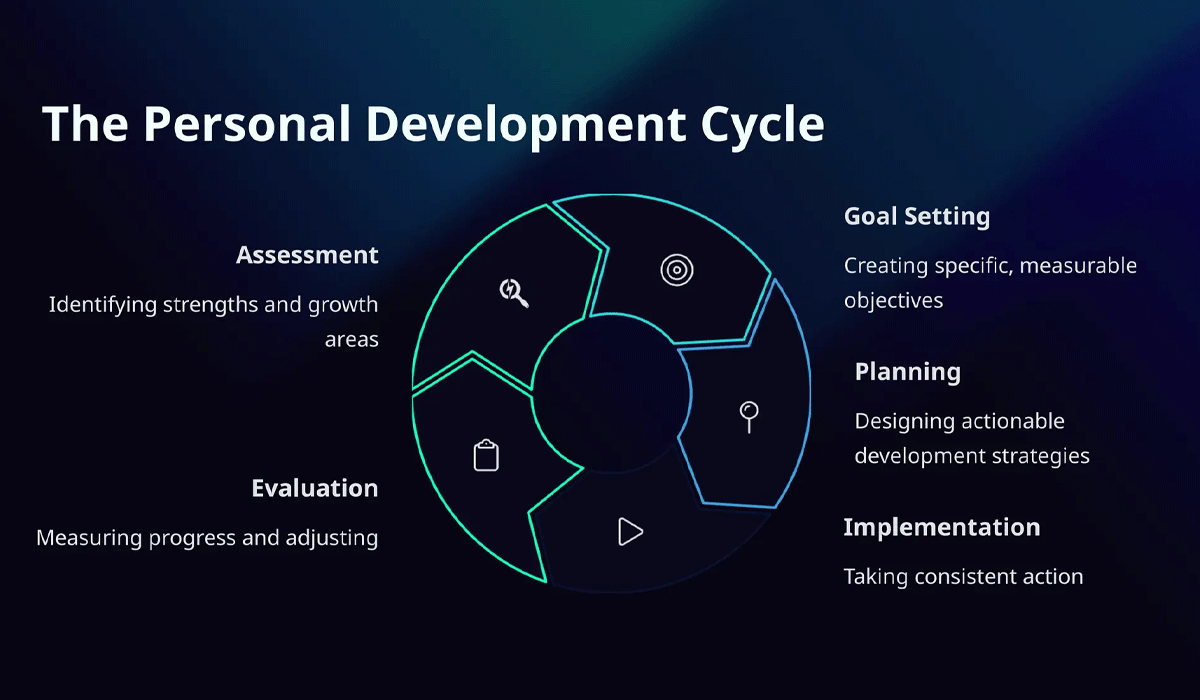
Self-development is a continuous journey rather than a one-time effort. Having clear career goals, creating learning plans, and evaluating progress regularly are crucial strategies for long-term success. When individuals take intentional steps toward improvement, they gain better control over their career direction and future opportunities.
Equally important is being open to constructive feedback. Suggestions from colleagues, mentors, or supervisors can provide valuable insights into personal strengths and weaknesses. By embracing feedback with a growth mindset, professionals can refine their abilities and stay prepared for future challenges.
Embracing Opportunities And Adapting To Change
Throughout a career, opportunities may appear in planned or unexpected forms. The ability to recognize and seize these opportunities plays a vital role in long-term achievement. Proactive individuals who seek growth rather than waiting for it often experience faster and more significant progress.
Adaptability is another key factor in modern professional life. Rapid technological innovation, evolving business models, and shifting market demands require flexibility and resilience. Professionals who are willing to learn new tools, adjust strategies, and stay open to change are more likely to maintain competitiveness and secure broader career prospects.
Conclusion
Building professional skills and cultivating strong networks are essential investments for long-term career success. By combining technical expertise, soft skills, continuous self-development, and effective networking, individuals can open wider opportunities and navigate workplace changes with confidence. Consistency, willingness to learn, and adaptability remain the core elements that sustain professional growth over time. Get the details first, only right here Build Business Success.
Image Source From.
- First Photo From: www.linkedin.com
- Second Photo of: www.slideshare.net