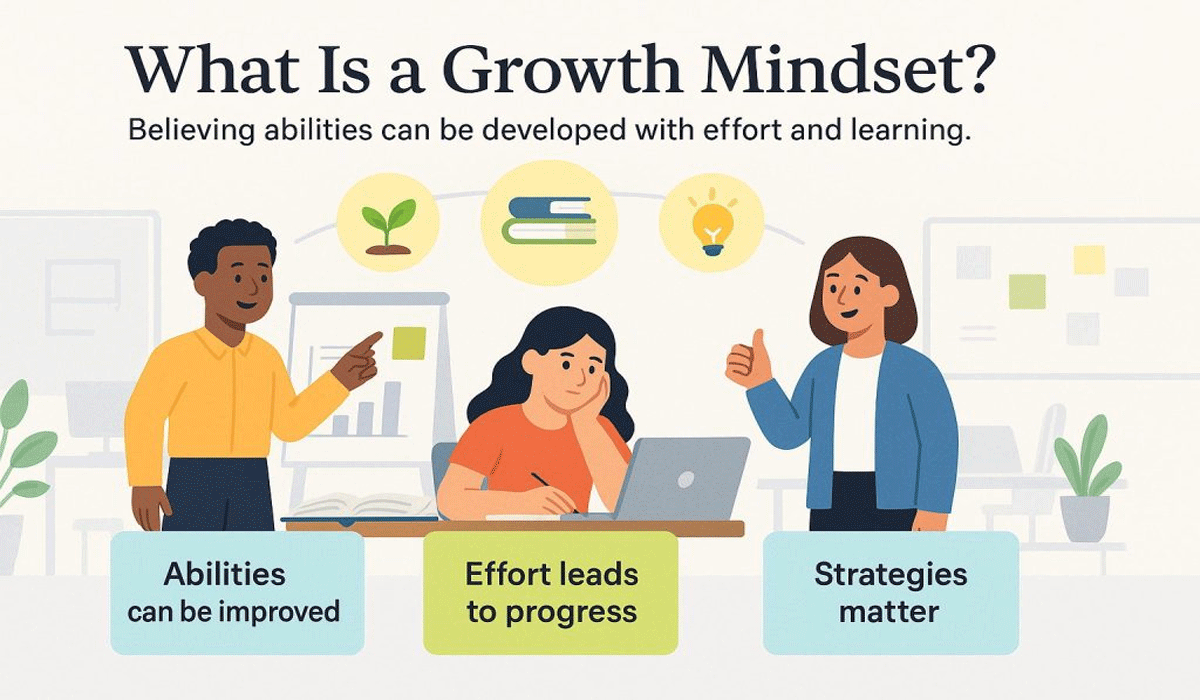
Self-doubt is a major barrier to growth, holding you back from opportunities, goals, and reaching your true potential.
Whether it stems from past failures, fear of judgment, or unrealistic expectations, self-doubt can affect every aspect of your life. The Following Build Business Success is that it can be managed and overcome with consistent effort, self-awareness, and practical strategies. By learning how to tackle these internal barriers, you can unlock confidence, boost productivity, and live a more fulfilling life.
Identify The Root Causes Of Self-Doubt
Understanding where your self-doubt originates is the first step toward overcoming it. Often, it is influenced by past experiences, negative feedback, or comparison with others. By reflecting on your thoughts and behaviors, you can pinpoint triggers that spark insecurity. Keeping a journal can help track patterns and highlight areas needing attention.
Once you identify the root causes, it becomes easier to challenge and reframe them. Recognizing that self-doubt is often based on perception rather than reality empowers you to confront it directly. Awareness alone can reduce its intensity and set the stage for actionable solutions to build confidence and resilience.
Practice Positive Self-Talk
The way you speak to yourself significantly impacts your self-confidence. Negative self-talk reinforces doubts and discourages action. Replace phrases like “I can’t” or “I’m not good enough” with affirmations and encouraging statements. This rewiring of thought patterns helps strengthen belief in your abilities.
Consistent practice is key. Repeat positive affirmations daily, celebrate small wins, and consciously focus on your strengths. Over time, this shifts your mindset from limitation to possibility. Positive self-talk does not eliminate challenges but equips you with a mental framework to approach them confidently and effectively.
Set Achievable Goals
One of the most effective ways to overcome self-doubt is through goal-setting. Break larger objectives into smaller, realistic steps that are manageable and measurable. Each accomplishment, no matter how minor, builds confidence and demonstrates your capabilities.
It’s important to celebrate progress along the way rather than only focusing on the final outcome. Setting achievable goals reduces overwhelm and prevents the negative self-talk associated with failure. Gradually, this practice reinforces a sense of competence and encourages taking on bigger challenges without fear.
Raed Also: The best way of business management
Surround Yourself With Supportive People
Your environment plays a crucial role in overcoming self-doubt. Surround yourself with individuals who uplift, encourage, and provide constructive feedback. Supportive friends, mentors, or colleagues can help you gain perspective, offer advice, and reinforce your strengths.
Conversely, negative influences can amplify self-doubt and undermine progress. By consciously curating a positive social circle, you create an environment conducive to growth and confidence. Engagement with inspiring people also motivates you to step out of your comfort zone and pursue opportunities that unlock your potential.
Develop Skills And Knowledge
Building competence in areas important to your goals directly combats self-doubt. When you invest in learning, training, or gaining practical experience, your confidence naturally increases. Knowledge reduces uncertainty, making challenges less intimidating and more manageable.
Consider online courses, workshops, or mentorship programs to develop expertise. Consistent practice and skill-building not only improve performance but also reinforce self-belief. By proving to yourself that you are capable, you gradually replace self-doubt with a sense of mastery and preparedness.
Embrace Failure As A Learning Opportunity
Fear of failure is often the root of self-doubt. However, failure is not a reflection of your worth, it’s a valuable source of insight. Embrace mistakes as opportunities to learn, grow, and refine your approach. This mindset transforms setbacks into stepping stones rather than obstacles.
Reframing failure reduces the anxiety associated with taking risks and encourages experimentation. By analyzing what went wrong and applying lessons learned, you develop resilience and adaptability. Over time, embracing failure allows you to approach challenges confidently, unlocking your true potential.
Conclusion
Overcoming self-doubt is a gradual process that requires awareness, positive habits, supportive relationships, skill-building, and embracing challenges. By implementing these strategies, you can replace fear with confidence and unlock your full potential. Remember, personal growth is a journey, and every small step brings you closer to realizing your capabilities and achieving success.
For the latest and most interesting related information, you can also click the TEACHING link.
Image Source:
- First Image from: linkedin.com
- Second Image from: neuroandcounselingcenter.com