A complete guide to developing your potential: effective steps to increase your abilities, self-confidence, and achieve maximum success in life.
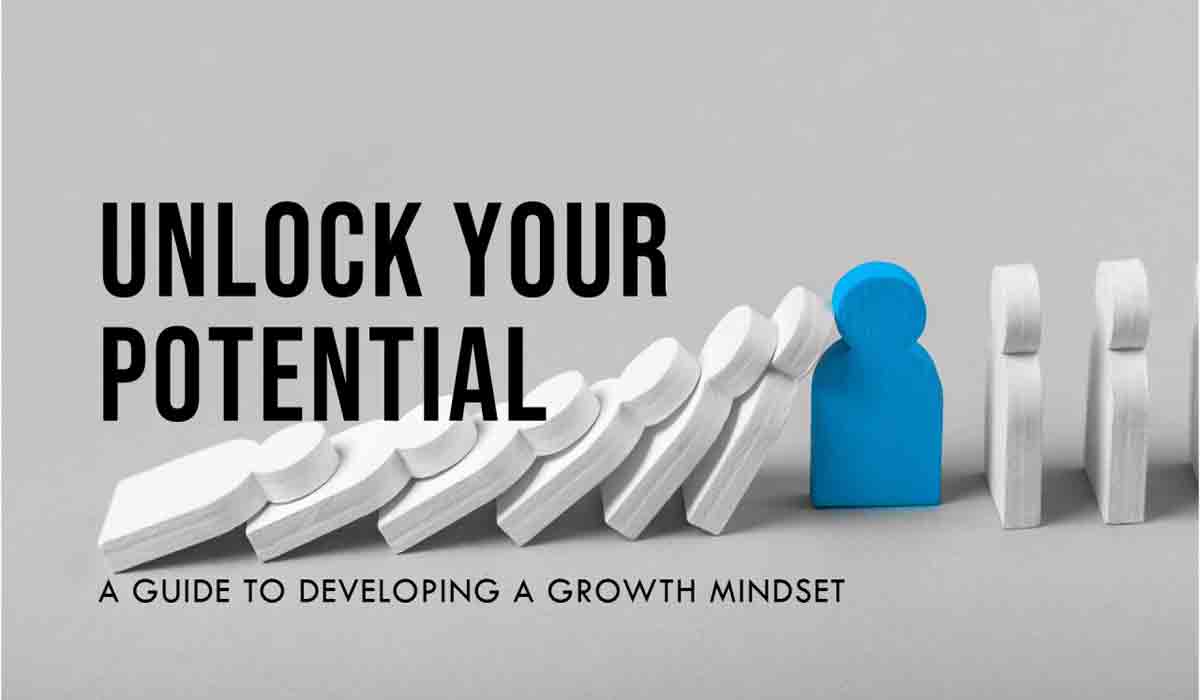
Developing your potential is an important step for every individual who wants to achieve success and satisfaction in life.
The potential that each person possesses does not always emerge automatically; it requires awareness, effort, and the right strategy to maximize it. With a structured approach, anyone can improve their abilities, manage their emotions, and achieve personal and professional goals.
Realizing and Recognizing Your Potential
The first step in self-development is recognizing your abilities and talents. Everyone has unique strengths, whether in creativity, communication, analysis, or technical skills.
Recognizing this potential requires self-reflection, evaluating experiences, and sometimes input from others.
With a clear understanding of your strengths and weaknesses, one can focus energy on honing existing abilities and improving areas that need development. Self-awareness is the foundation for developing your maximum potential.
Creating Clear and Measurable Goals
After understanding your potential, the next step is to set clear and measurable goals. Goals provide direction and motivation for growth.
For example, improving public speaking skills in six months or mastering a new digital skill. Specific, measurable, achievable, relevant, and time-bound (SMART) goals help someone stay focused and consistent.
With clear targets, every self-development effort becomes more focused and progress can be evaluated regularly.
Also Read: How Innovation Drives Entrepreneurial Success in Competitive Markets
Sharpening Skills and Knowledge
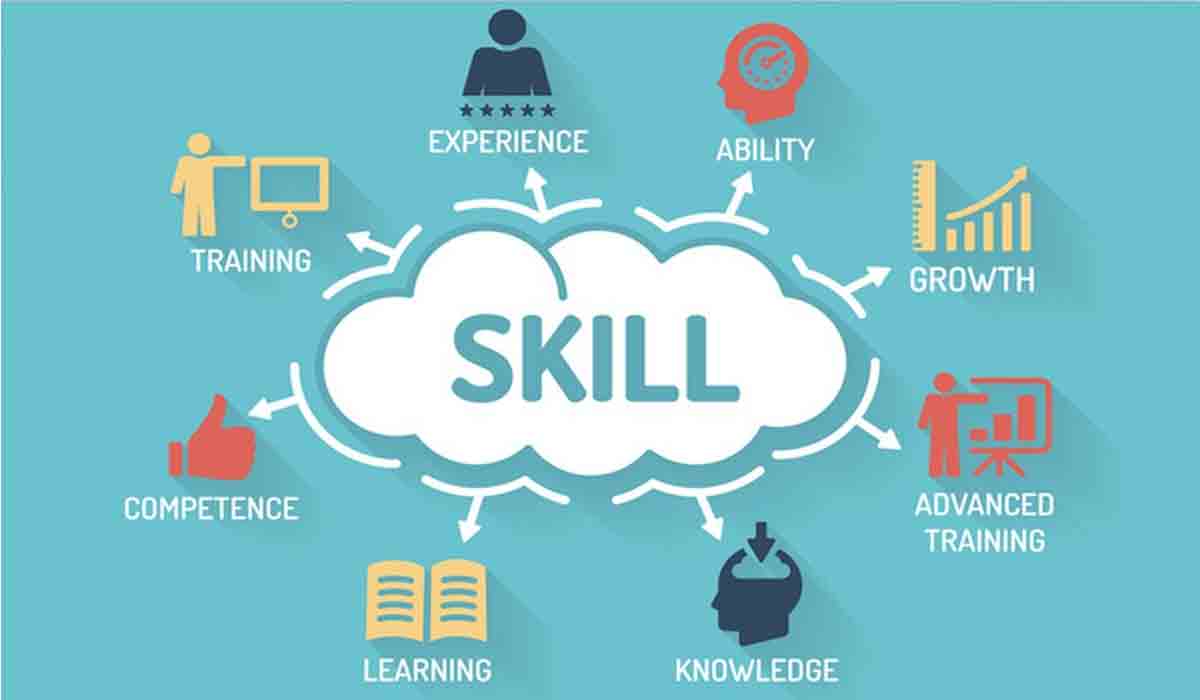
Self-development doesn’t stop at awareness and goals; it also requires concrete action through learning and practice.
Skills can be honed through formal education, online courses, workshops, reading books, or hands-on practice. Furthermore, broad knowledge is also important for individuals to be able to face challenges and make informed decisions.
Continuous learning helps broaden horizons and increase personal capacity, so that one’s potential can be optimized and relevant to current needs.
Managing Emotions and Positive Thinking
Great potential cannot be maximized without the ability to manage emotions and maintain a positive mindset. Overcoming fear, anxiety, or doubt is part of self-development.
By building a strong mentality, individuals can face failure as a learning experience and remain motivated to achieve their goals.
A positive mindset also influences the ability to interact with others, enhances creativity, and maintains consistency in self-development. Emotional and mental stability are key to optimizing every potential.
Consistency and Regular Evaluation
Self-development is a long-term process that requires consistency. Establishing a daily or weekly routine for practicing skills and evaluating progress is crucial.
Regular evaluation allows one to adjust strategies if necessary and ensure that goals are achieved.
With this approach, every step taken is measurable and has a real impact on personal growth. Consistency, discipline, and evaluation are essential pillars for continuously developing one’s potential.
Developing one’s potential requires self-awareness, setting clear goals, honing skills, managing emotions, and consistent practice.
By following this guide, every individual can maximize their abilities, face challenges with confidence, and achieve success in various aspects of life.