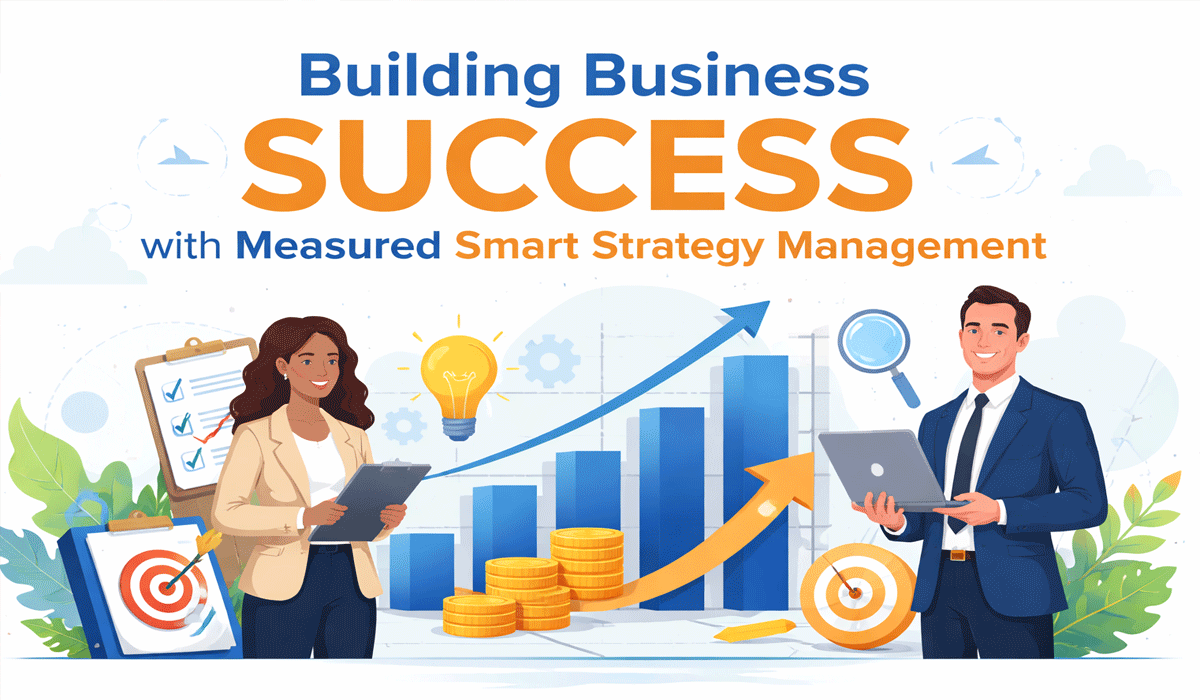
Sustainable growth is a long-term goal for businesses that want to remain competitive and resilient, the focus is on stability.
Effective business strategies help organizations balance profitability with innovation, efficiency, and people development. The following sections explore key approaches that support sustainable growth in today’s dynamic business environment.
Why Sustainable Growth Matters
Sustainable growth allows businesses to expand without creating financial strain or operational instability. Rather than chasing rapid gains, companies focus on consistency, risk control, and long-term value creation. This approach helps organizations survive economic fluctuations and industry shifts.
Businesses that prioritize sustainable growth are better prepared to manage resources wisely. They avoid overexpansion, reduce unnecessary costs, and maintain healthy cash flow. This stability builds trust among employees, partners, and customers.
In the long run, sustainable growth strengthens brand reputation. Customers are more likely to support companies that demonstrate reliability, responsibility, and long-term commitment to quality and service.
Strategic Planning And Clear Goal Setting
Strategic planning is the foundation of sustainable business growth. Clear goals help organizations define direction, measure progress, and align teams toward shared objectives. Without a solid plan, growth efforts often become scattered and inefficient.
Effective planning involves analyzing market conditions, identifying strengths and weaknesses, and anticipating future challenges. This allows businesses to create realistic strategies based on data rather than assumptions.
When goals are specific and measurable, decision-making becomes easier. Teams understand priorities, resources are allocated properly, and performance can be evaluated accurately to support continuous improvement.
Read Also: The New Era of Passive Income: Smart Investment Ideas
Customer-Centered Business Development
Customers play a central role in sustainable growth. Businesses that understand customer needs and expectations are more likely to develop products and services that remain relevant over time. Listening to feedback helps companies adjust strategies effectively.
Building strong customer relationships encourages loyalty and repeat business, satisfied customers often become brand advocates, helping businesses grow organically through recommendations and positive experiences.
A customer-centered approach also supports innovation. By observing customer behavior and preferences, businesses can introduce improvements that add real value and strengthen their market position.
Efficient Operations & Resources
Operational efficiency is essential for maintaining steady growth. Businesses must manage time, finances, and human resources carefully to avoid waste and maximize productivity. Streamlined processes help reduce costs and improve performance.
Effective resource management ensures that teams work efficiently without burnout. Balanced workloads and clear systems allow employees to focus on quality and innovation rather than unnecessary tasks.
By continuously evaluating operations, businesses can identify areas for improvement. Small adjustments in workflow or technology can create significant long-term benefits and support sustainable expansion.
Leadership And Team Development
Strong leadership is critical for guiding sustainable growth. Leaders set the vision, inspire teams, and create a culture that supports learning and accountability. Their decisions shape how growth strategies are implemented.
Investing in team development improves skills, motivation, and adaptability. Employees who feel valued and supported are more engaged and contribute positively to business performance.
A collaborative work environment encourages creativity and problem-solving. When teams work together effectively, businesses can respond to challenges faster and maintain consistent growth over time.
Conclusion
Effective business strategies for sustainable growth focus on planning, customer value, efficiency, and leadership. These elements work together to create stability and long-term success.
By prioritizing responsible growth and continuous improvement, businesses can adapt to change, build trust, and achieve lasting progress in a competitive market.
Image Source:
- First Image: https://www.imd.org
- Second Image: https://www.entrepreneur.com