In today’s fast-paced business world, leading high-performing teams is no longer just a valuable skill, it’s a strategic necessity.

Modern leaders are expected not only to assign tasks but also to understand human dynamics, motivation, and innovation that drive maximum productivity. Mastering modern leadership strategies means creating an environment where every team member can thrive, contribute, and achieve collective goals efficiently. The following will Build Business Success discuss Modern Leadership Strategies for Managing High-Performing Teams.
Empowering Team Members Through Autonomy
Giving autonomy to team members is a cornerstone of modern leadership. When individuals are trusted to make decisions within their responsibilities, they feel valued and motivated. Autonomy does not mean complete freedom but a clear framework where team members can explore creativity while staying aligned with organizational objectives.
Effective leaders also support autonomy by providing the necessary resources and guidance. They act as facilitators rather than micromanagers, allowing team members to grow professionally. This approach not only fosters independence but also increases accountability, creating a stronger sense of ownership over the projects they manage.
Fostering Open Communication And Feedback
Open communication is the foundation of high-performing teams. Modern leaders must cultivate a culture where team members feel safe to share ideas, questions, and concerns without fear. Transparent communication allows teams to identify problems quickly, find creative solutions, and keep information flowing seamlessly.
Feedback plays a critical role in this strategy. Providing regular, constructive feedback helps team members understand their strengths and areas for improvement. Leaders skilled in feedback can guide their teams toward continuous growth without diminishing motivation or morale.
Leveraging Technology To Enhance Productivity
Today’s leaders cannot overlook the role of technology in managing high-performing teams. Digital collaboration tools, project management platforms, and advanced communication systems enable efficient coordination, especially for geographically dispersed teams. Strategically leveraging technology allows leaders to monitor progress, streamline workflows, and ensure everyone is aligned with shared objectives.
Beyond operational efficiency, technology also supports professional growth through online learning resources and digital training. Leaders who embrace this integration foster teams that are adaptive, innovative, and prepared for rapidly changing industry demands. Technology becomes not just a tool but a driver of performance and creativity.
Also Read: The Entrepreneur Mindset: Turning Challenges Into Opportunities
Cultivating Emotional Intelligence In Leadership
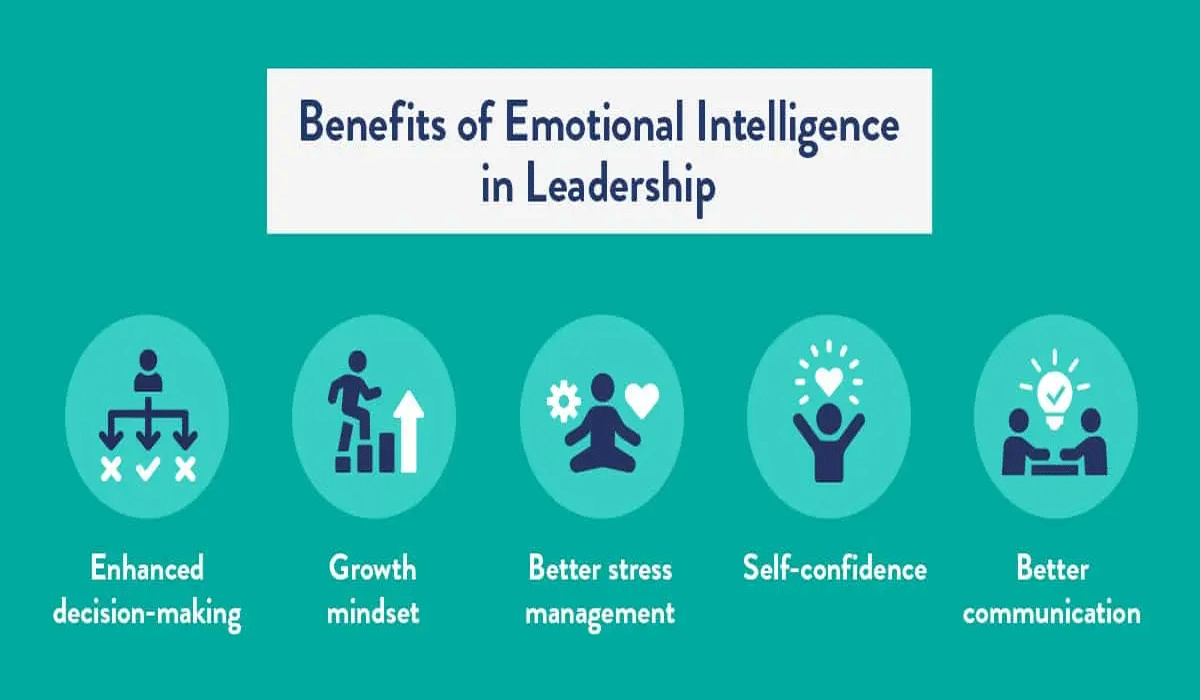
Emotional intelligence is a crucial skill for modern leaders. Understanding one’s own emotions and those of team members helps build harmonious and productive work relationships. Leaders with high EQ can manage conflicts effectively, foster trust, and motivate their teams in ways that resonate with individual needs.
Furthermore, emotionally intelligent leadership boosts team engagement. Members who feel understood and valued are more loyal, creative, and resilient under pressure. This strategy not only improves short-term performance but also cultivates a sustainable and healthy organizational culture.
Encouraging Continuous Learning And Innovation
High-performing teams thrive on continuous learning and innovation. Modern leaders encourage team members to explore new skills, stay updated with industry trends, and think creatively to solve challenges. A learning-focused environment nurtures curiosity and adaptability, essential traits in today’s dynamic workplace.
Innovation is equally critical. Leaders who support experimentation and new ideas without fear of failure foster teams willing to take calculated risks. The result is not only high achievement but also an innovative mindset that drives competitive advantage and long-term success.
Conclusion
Modern leadership for high-performing teams requires a combination of autonomy, open communication, technology integration, emotional intelligence, and a culture of continuous learning. Each strategy complements the others to create teams that are productive, innovative, and adaptable.
Leaders who implement these approaches successfully not only achieve business goals but also build strong relationships and a positive workplace culture. By prioritizing these modern strategies, organizations ensure their teams remain motivated, high-achieving, and ready to face future challenges. Keep following our information so you don’t miss out, only on Build Business Success.
Image Source From.
First Photo From: oxfordcentre.uk/resources
Second Photo of: exudehc.com